To read slowly, deeply, looking cautiously before and aft, with reservations, with doors left open, with delicate eyes and fingers.
Friedrich Nietzsche
To read is to be attentive to the trace of the other, and this attention takes time. Additionally, and perhaps paradoxically, it calls for an emptying of the self to prepare for the other, abandon that allows the other to gleam.
Slow Philosophy : Why Slow Reading Today? Boulous Walker. 2017
https://www.bloomsburycollections.com/book/slow-philosophy-reading-against-the-institution/preface-why-slow-reading-today
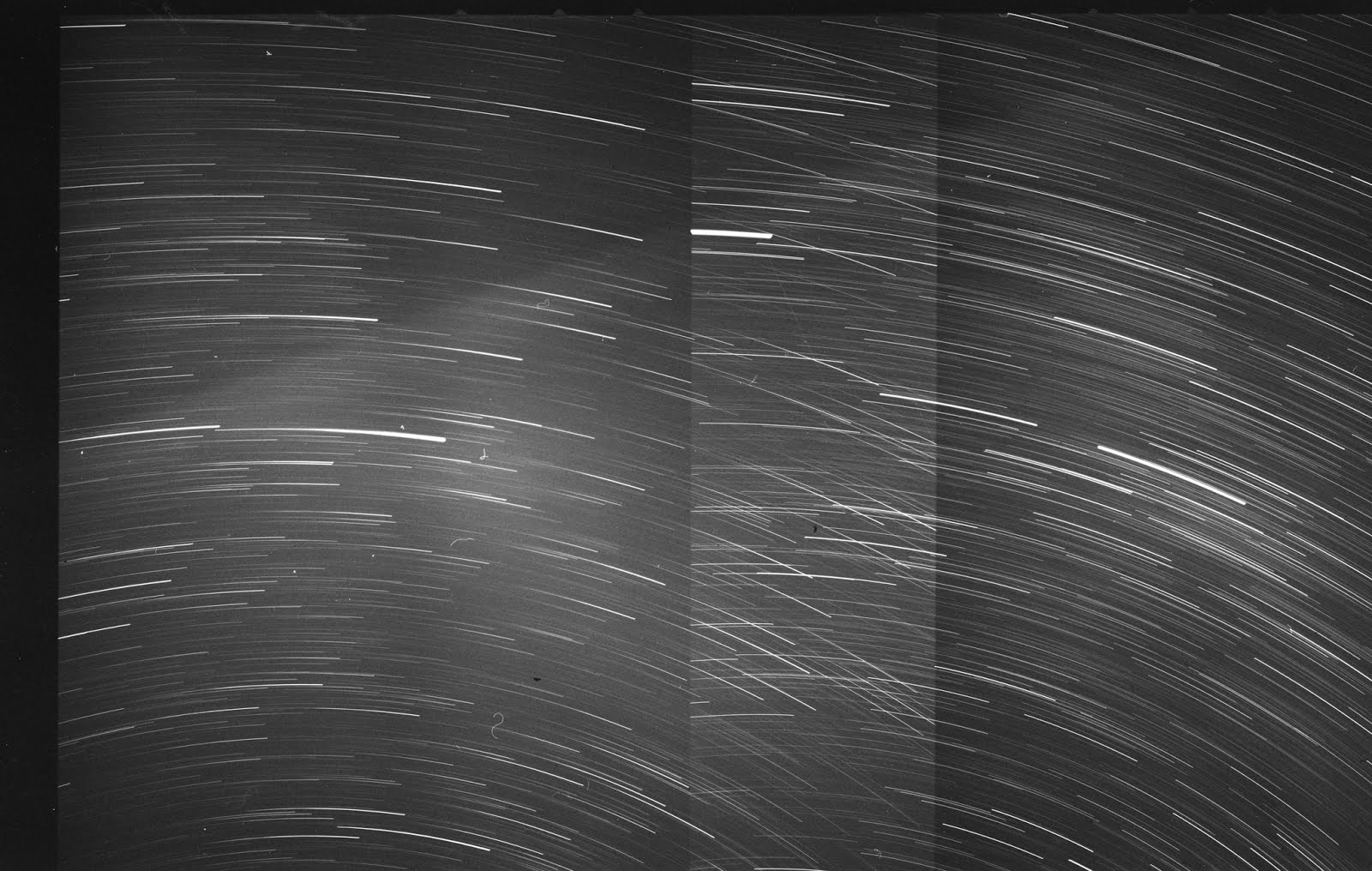
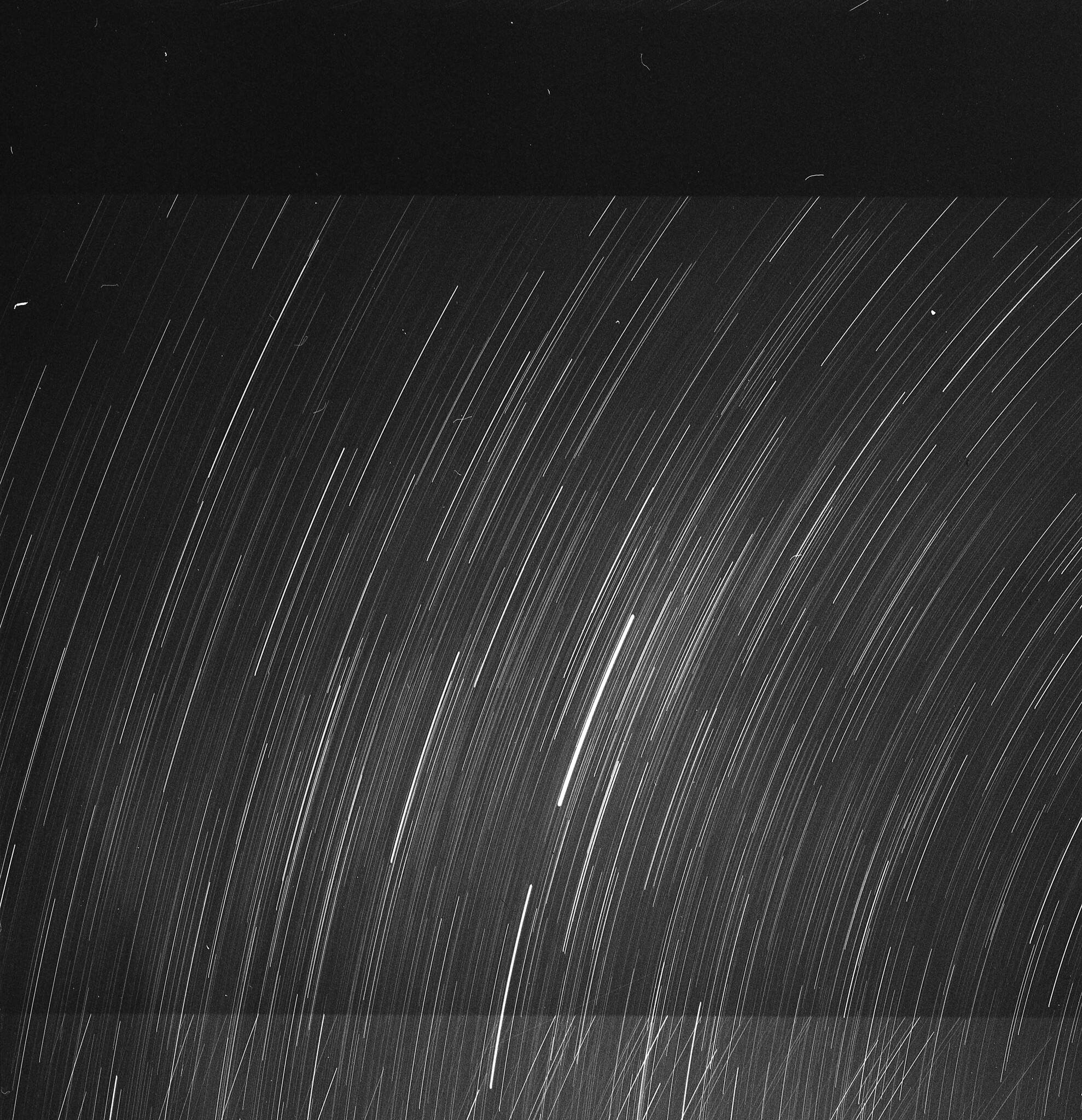
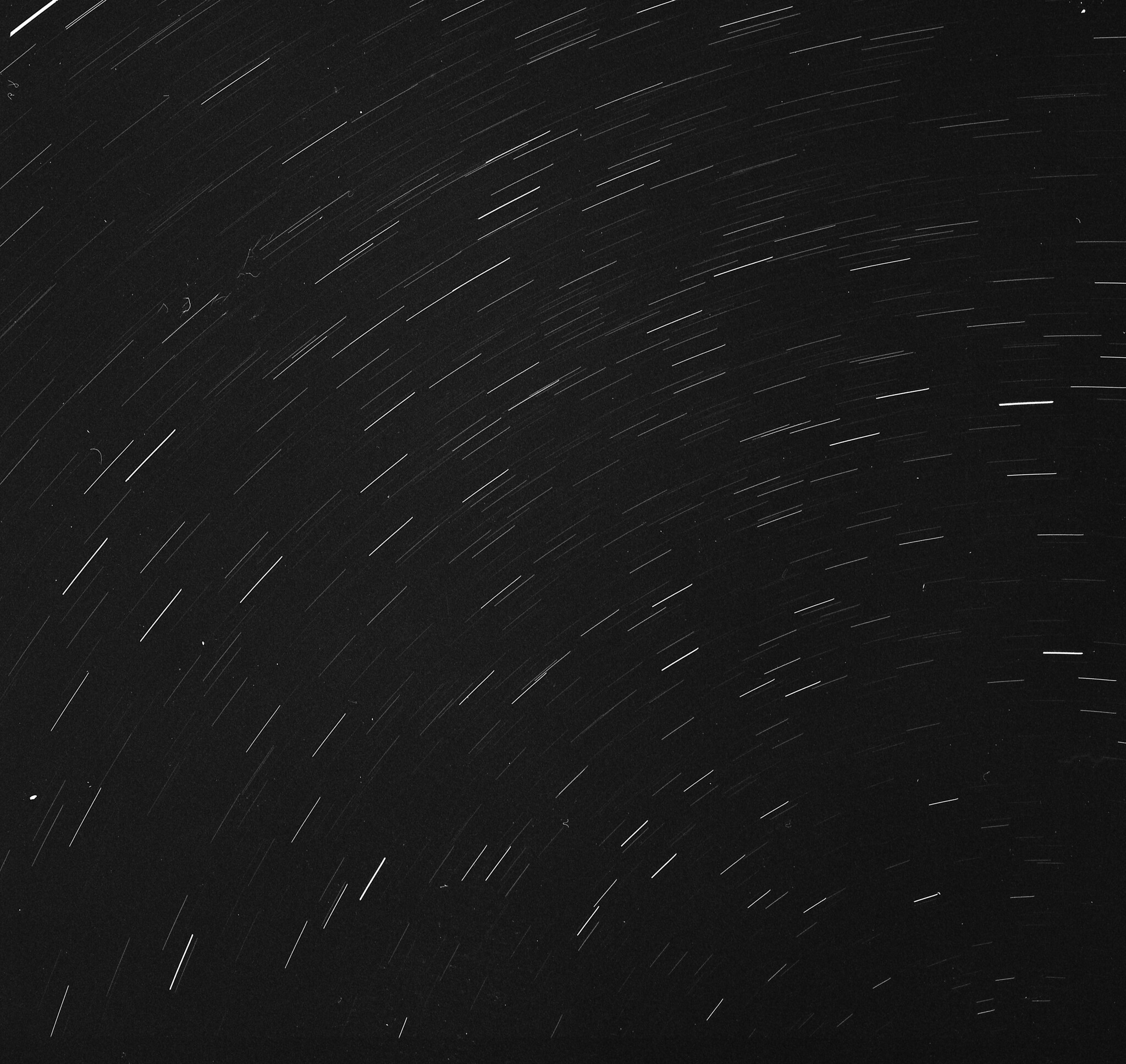
Celestial Sphere : Stars and Dust Particles
Entanglements of matter and meaning.
Karen Barad, Meeting The Universe Halfway, 2007.
Hawking understood black holes because he could stare at them. Black holes mean oblivion. Mean death. And Hawking has been staring at death all his adult life. Hawking could see.
Martin Amis, Night Train, 1997.
For Baudrilland the actual photographs are beside the point.
Celestial Sphere : Stars and Dust Particles
Entanglements of matter and meaning.
Karen Barad, Meeting The Universe Halfway, 2007.
Hawking understood black holes because he could stare at them. Black holes mean oblivion. Mean death. And Hawking has been staring at death all his adult life. Hawking could see.
Martin Amis, Night Train, 1997.
For Baudrilland the actual photographs are beside the point.
It is what precedes them that counts in his eyes- the mental event of taking a picture.
Sylvere Lotringer, The Piracy of Art, 2008.
The Library : A Meditation on the Human Condition (Giacometti, artist-philosopher)
Books can step up to us- into us- in many ways.
Voices from Chernobyl by Svetlana Alexievich was for me that rare precipitate force which calls another book into being.
Mario Petrucci, Heavy Water, a poem for Chernobyl.


Sylvere Lotringer, The Piracy of Art, 2008.
The Library : A Meditation on the Human Condition (Giacometti, artist-philosopher)
Books can step up to us- into us- in many ways.
Voices from Chernobyl by Svetlana Alexievich was for me that rare precipitate force which calls another book into being.
Mario Petrucci, Heavy Water, a poem for Chernobyl.