Outpost 240923
Drawing in Charcoal : Sensing through Movement.

#The Examination of Sight.
The act of drawing refuses the the process of disappearances, and instead proposes the simultaneity of a multitude of moments.
#Light.
The Ceaseless Flux/Causality Of Disappearance.
#Seeing.
On Disappearances Opposed By Assemblage.
The Drawing Challenges Disappearance/Oblivion.
Catching The Light : The Entwined History of Light and Mind, Arthur Zajonc.
Drawn To That Moment.
A drawing is more than a memento, more than a device for bringing back memories of the time past.

From each glance, a drawing assembles a little evidence, but it consists of the evidence of many glances which can be seen together. On one hand there is no sight in nature as unchanging as that of a drawing or painting, on the other hand what is unchanging in a drawing consists of so many assembled moments that they constitute a totality rather than a fragment.
For Cezanne, one minute in the life of the world is going by, paint it as it is.
For John Berger, how does a drawing or painting encompass time?
What does it hold in its stillness?
Thus if appearances, at any given moment are a construction emerging from the debris of all that has previously appeared, might it be understandable that this very construction may give birth to the idea that everything will one day be recognizable and the flux of disappearance cease.
Because the faculty of sight is continuous, because visual categories, red-yellow-dark-thick-thin remain constant, and because so many things appear to remain in place, one forgets that the visual is always a result of an unrepeatable-momentary-encounter.
Any image, like the image read from the retina records an appearance which will disappear.
The faculty of sight developed as an active response to continually changing contingencies, and the more complex the view of appearances it could construct from events.
For the faculty of sight to become developed, the mind uses recognition as an essential part of the construction of appearances, and recognition depends upon the phenomenon of reappearance sometimes occurring in the ceaseless flux of disappearance.
An event in itself has no appearances.
To draw is to look, to examine the spectrum of appearance.
Drawings reveal the process of their own creation, and their own looking.
On Drawing/John Berger.
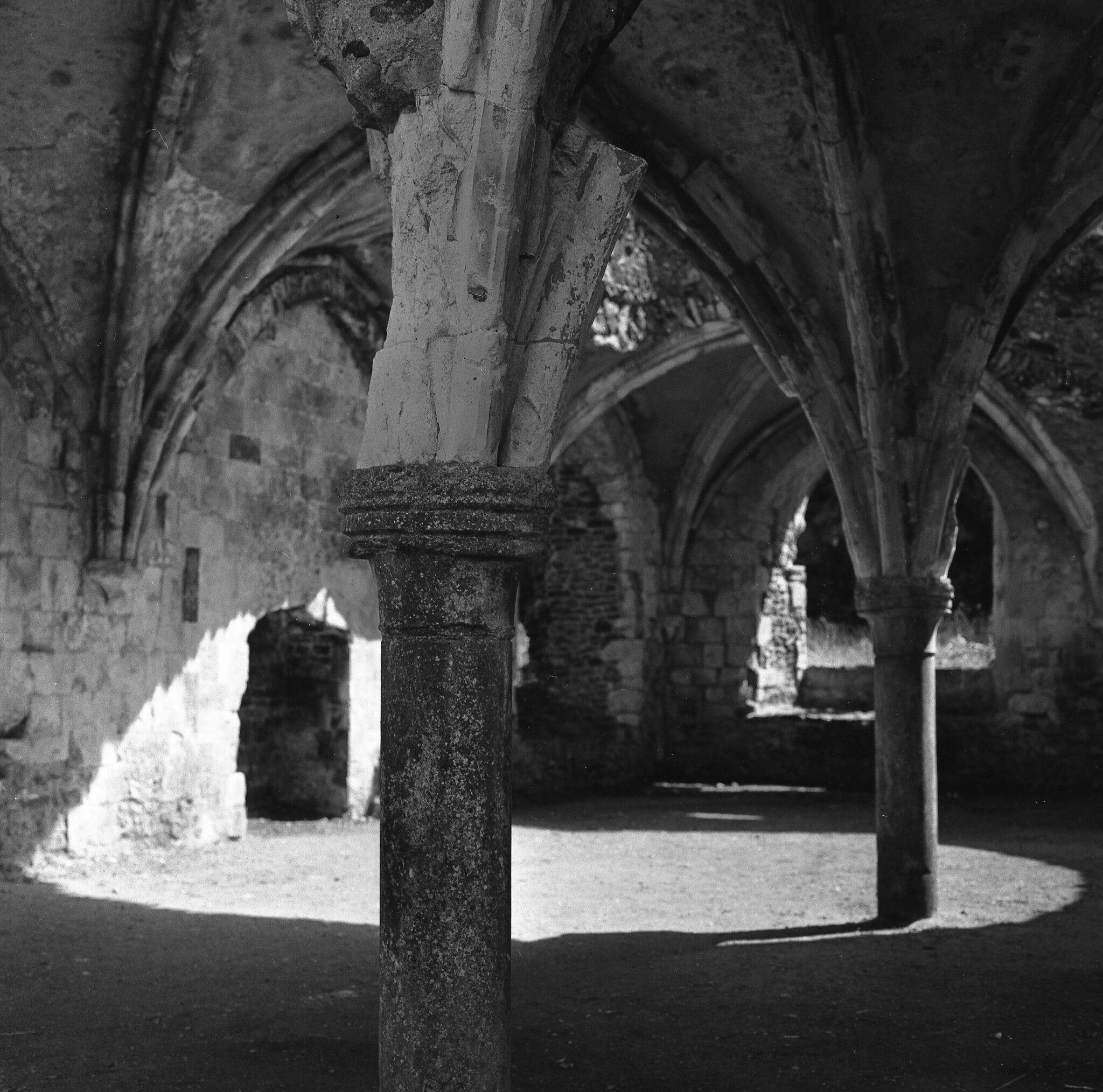

Drawing into awareness.
Things/Feelings that are both hermetic and infinite.
Drawing 'situates' impressions between relations and responses.
Between seeing and feeling.
Butades/Haptic trace, inscription.
Derrida/Blindness inherent in drawing.
The drawing is as much about a haptic experience as it is an optical one, the actual contact between paper and brush informs me that a mark will materialize, a mark marking the abstract and the concrete, a hybrid image of reality.
Perceptual Psychology.
My desire is to set up a situation to which I can take you and let you see.
My art deals with light itself, not as a bearer of revelation, but as revelation itself.
Immersive architectural environments to carry the inner world into the outer spaces, so that our sense of lived-in-territory is increased.
James Turrell/Deer Shelter Skyspace.
In the trajectory of the intermezzo.
The Working Diagram.
Relays between points/paths.
Nomadology, Deleuze/Guattari.

.jpg)


