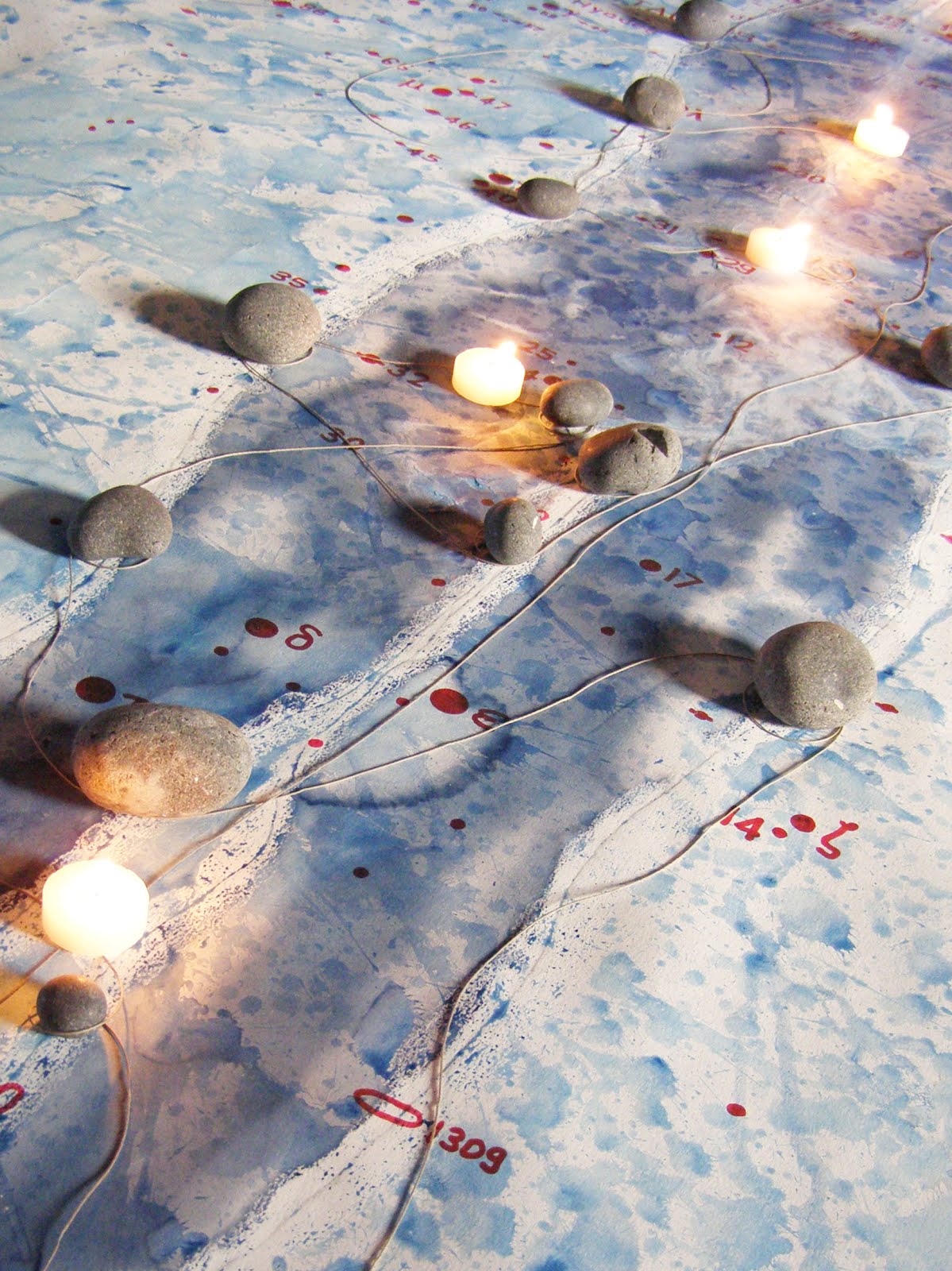
Armature : Memory/Personal Biographies
The Everyday complexity of things.


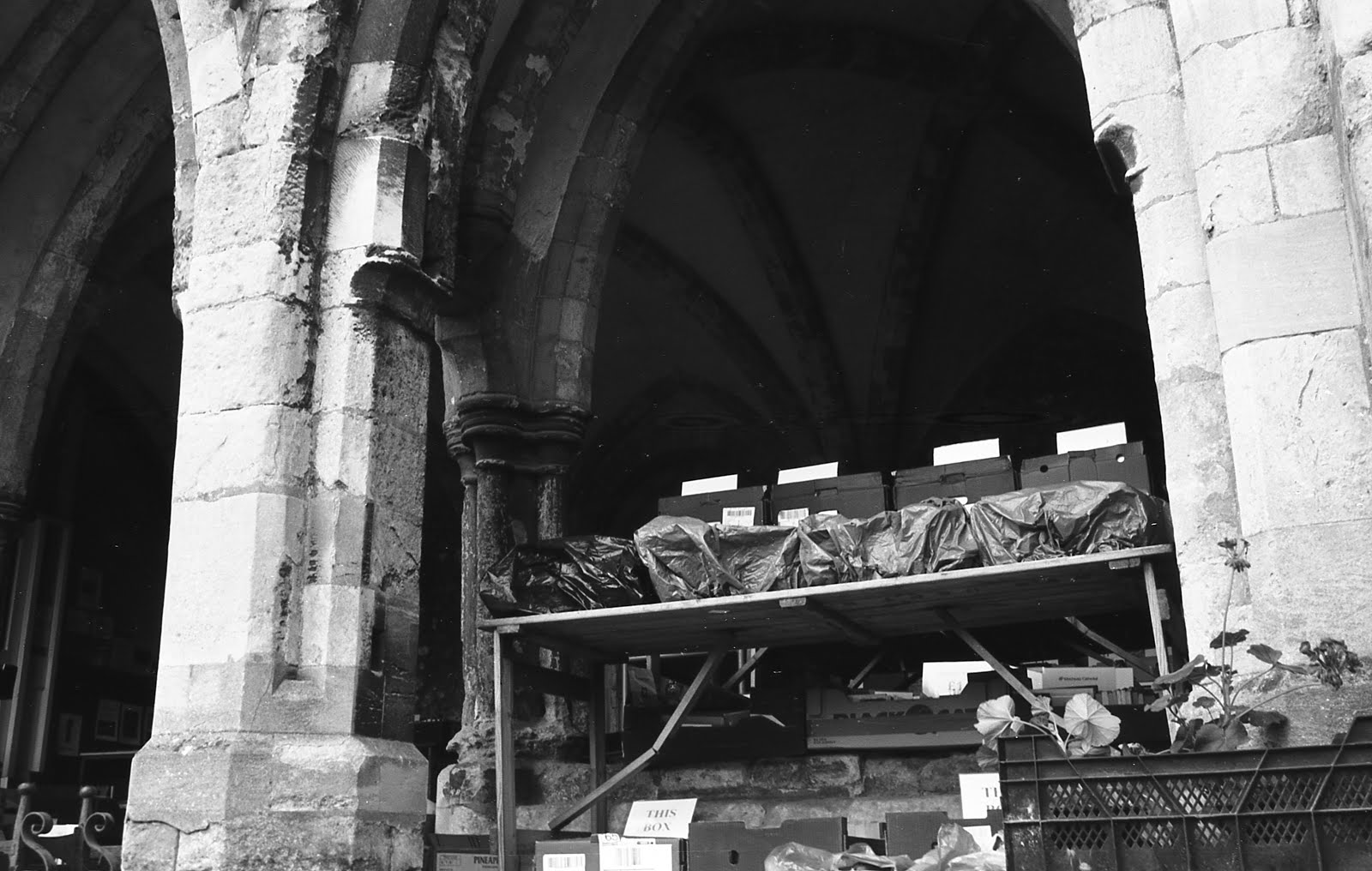
Architectural Transposition : Anti-Object
IMMATERIAL ARCHITECTURES


MAKING IN THE LANDSCAPE
SCULPTURE TRAIL 2018
The House-sheds : Camping
There's more truth about a camp than a house. Planning laws need not worry the improvising builder because temporary structures are more beautiful anyway, and you don't need permission for them. There's more truth about a camp because that is the position we are in. The house represents what we ourselves would like to be on earth: permanent, rooted, here for eternity. But a camp represents the true reality of things: we're just passing through.
Roger Deakin
WILDWOOD
A Journey Through Trees
Outpost 040222
Kengo Kuma's, Transparent and temporary shelter at Waverley Abbey UK.
Immaterial Architectures : Raveningham Pavilion #3
Interfaces with space/edges of matter.
SPACE
The relationship between light and space dictates our visual perception of the world around us and the way we feel.
Light is a powerful substance. We have a primal connection to it, but for something so powerful, situations for its felt presence are fragile.
I like to work with it so that you feel it physically, so you feel the presence of light inhabiting a space
James Turrell
Space is the absence of mass.
Light influences space through the way in which it defines mass as form.
The lighting of form to reveal shape, surface texture and colour generates the ambience of a space.
MOVEMENT
The movement of light is a linear process where time and space meet. Any moment reveals frozen movement in time. We have evolved to respond to daily and seasonal change brought about by the movement of the sun, the moon and stars. Through the passage of light we track the change of day into night as well as form and surfaces moving in light.
Light, then, is the instrument of the new unity. It is indeed a wonderful instrument and was wonderfully suited to the inevitable interests of the next four centuries. During that time men were occupied with the investigation of the world of appearances, and the study of appearances manifests itself in attention to the particulars. Through this instrument the artist could elevate the particular to the plane of generalization through the subjective feelings that light can symbolize.
Generalization Since The Renaissance.
The Artist's Reality
Philosophies of Art, Mark Rothko.
The fact that the materials of a building may be both conceptually and practically treated in a variety of ways opens up different ways of exploring the relationship between surface and light.
The interplay of design elements generate multiple layers of associations.
They sensitively mark a boundary, yet symbolically keep the background, and all that is beyond it, open.
Bernhard Huber, Transition Glasprojekte.
Light, Material and Surface.
An initial understanding of a material may be gained by viewing it under natural light, but as the quality and quantity of daylight is constantly shifting, the appearance of any surface will change accordingly. Visual memory plays an important part in rationalising how we perceive our world and under natural light no material has a fixed look.
Some surfaces look wonderful when hit by the sun, but then appear flat and lifeless on a dull and overcast day. Others have an inner richness and colour only experienced when light passes through them.
Light Articulating Surfaces
Surface exists at two scales in light, that of material and that of building. The former refers to the relationship between light and the matter from which architecture is produced. The latter alludes to the nature of facades, walls and other elements, the wrappers and partitions, external skins and internal dividers.
A more profound understanding of surface appearance can only be gained from experience.
Observation of materials under various lighting conditions allows an appreciation of the effects that can be achieved. No amount of calculation or clever software can substitute this process. For instance there is little point selecting marble for use on a floor in the Middle East from a naturally lit studio on an overcast winter's day in Edinburgh, or appraising a vertical cladding system by lying it flat on the ground.
FORM
Form is the visual shape of mass and volume.
Light makes form legible. There is no form without light.
The form of architecture is entirely reliant on the presence and quality of light.
The manner in which light renders mass defines the essential relationship between architecture and light. The appearance of form is interpreted through the direction and intensity of light. By altering the light you can not only redefine the shape of an object but also reinterpret its character and meaning.
The changing nature of natural light means that architecture is being continuously, visually transformed, and that it enters into a symbiosis with natural light.
BOUNDARY
The simple ideas we receive from sensation and reflection are the boundaries of our thoughts.
The permeability of any boundary to light dictates the degree of transparency or solidity and dictates the limit of the visual field.
Light helps to define our understanding of the limits of space and form through the lighting of boundaries.
Surface, which was formerly held to possess no intrinsic capacity for expression, and so at best could only find decorative utilization, now has become the basis of composition.
Siegfried Gideon.
Surfaces define the shapes of our world, light allows us to see them.
Felice Frankel, George Whitesides.
Surface is defined as being the outermost limiting part of a material body, immediately adjacent to an empty space or to another body. ITS ILLUMINATION IS ONE OF THE GREAT OPPORTUNITIES IN ARCHITECTURE.
If the shape of our three-dimensional world is determined through form, we experience its nature through surface. It is the very edge of matter, the interface with space.
Surface clothes form and in so doing provides essential visual information about the very nature of materiality, whether something is opaque, transparent, whether it has texture or colour.
The Studio in the midst of mattering.
Forming spatial agencies with the circulation and processes of media/materials.
Living in the space.
The governance of perception.
While visual perception is governed by how a material is seen, our understanding of its nature can be enhanced by how it feels.
Sight and touch often operate in conjunction with each other and it is important to recognise that without light a surface can only be understood through touch, but with light our comprehension may be based on visual criteria alone.
Photographic Diffractions through agential cuts/intraventions.
Nothing is more revealing than movement
Martha Graham.
The way light catches any surface can reveal its inherent qualities. We can actually see that it bis rough or smooth, opaque or transparent, shiny or dull before we physically engage with it. At the same time, light also has the ability to deceive. If a surface is illuminated in the wrong way, it can belie its true nature and conceal its identity, and we may interpret it in an inappropriate manner.
Additions to Clay Bodies, Kathleen Standen.
Combustible Materials, Organic Matter, Perlite.
Impressions, Imprints and Dipping.
Performance, Wiring up the clay.
The Artist's Reality
Philosophies of Art, Mark Rothko.
Introduction, Christopher Rothko.