Showing posts with label the three ecologies. Show all posts

Wednesday, 8 July 2026

Architecture, Nature and Subjectivity : Atmospheric ecologies/architecting through situated learning.


Working Collage : Marking the Line/Art, Architecture and Craft Narratives.


Walking into Emergent Landscapes : Covehithe Beach


Is there still an aesthetic illusion? And if not, a path to an “aesthetic” illusion, the radical illusion of secret, seduction and magic? Is there still, on the edges of hypervisibility, of virtuality, room for an image?
— Jean Baudrillard, The Conspiracy of Art, 2005


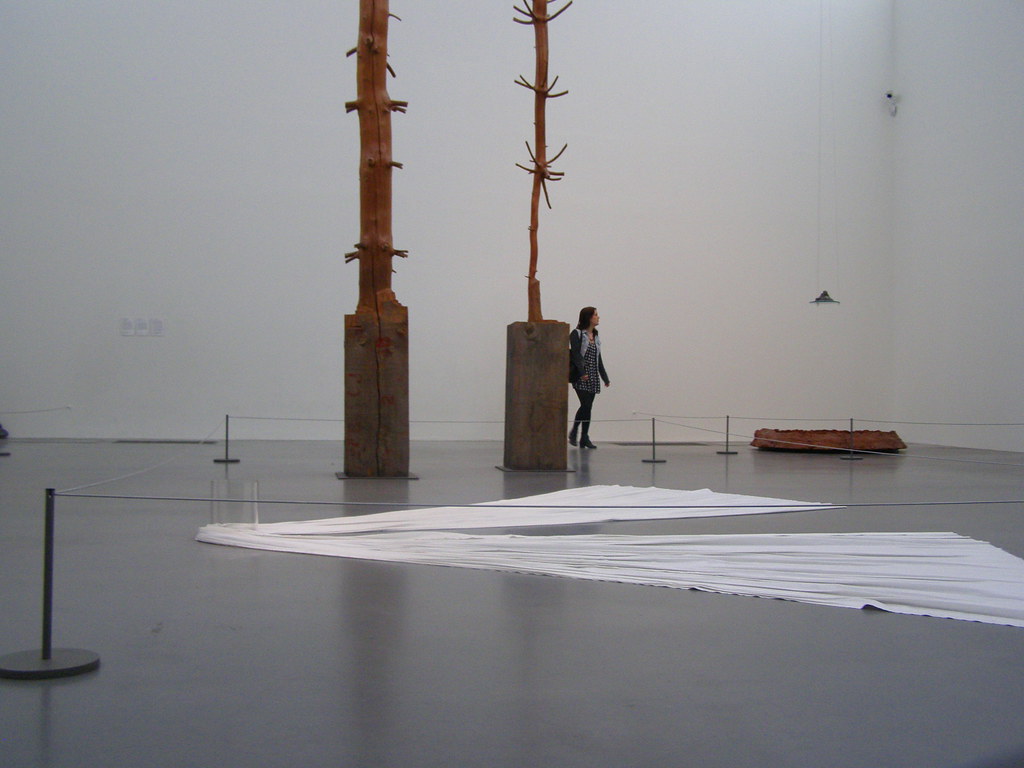
Jana Sterbak
Remote Control 1989


A heuristic technique (/hjᵿˈrɪstᵻk/; Ancient Greek: εὑρίσκω, "find" or "discover"), often called simply a heuristic, is any approach to problem solving, learning, or discovery that employs a practical method not guaranteed to be optimal or perfect, but sufficient for the immediate goals.


A Hut of One's Own, Ann Cline

Texts, Annotations, Foundations, Pathways, Corridors, Bookmarks, Walking, Thinking, Ramble, Cross Country, Disciplines.


Ecosophy : Social ecology, mental ecology, environmental ecology.

"Concerning the continuous development of its practice as much as its theoretical scaffolding."

The Three Ecologies, Guattari

Thursday, 1 December 2022

Thought In The Act : Learning through making.


Learning is better than teaching because it is more intensive : the more we teach/examine, the less the students can learn.
Learning and practicing techniques develops insight and dexterity, but not creative energies. Inventive construction and an attentiveness that leads to discoveries are developed, at least initially through experimentation that is undisturbed, independent, and thus without preconceptions. This experimentation is initially a playful tinkering with the material for its own sake. 
That is to say, through experimentation that is amateurish (ie not burdened by training).   

The Three Ecologies Institute
An Open Laboratory for Thinking in the Making

THOUGHT IN THE ACT
Passages in the ecology of experience
Erin Manning
Brian Massumi

Art as Experience : Interactions of Color/ Art as Experience, Josef Albers
GLASS-COLOUR-LIGHT-INTERIOR-LANDSCAPE

ART AS EXPERIENCE
WHAT IS THE CAPACITY OF THE MATERIAL

Josef Albers


https://www.flickr.com/photos/russellmoreton/