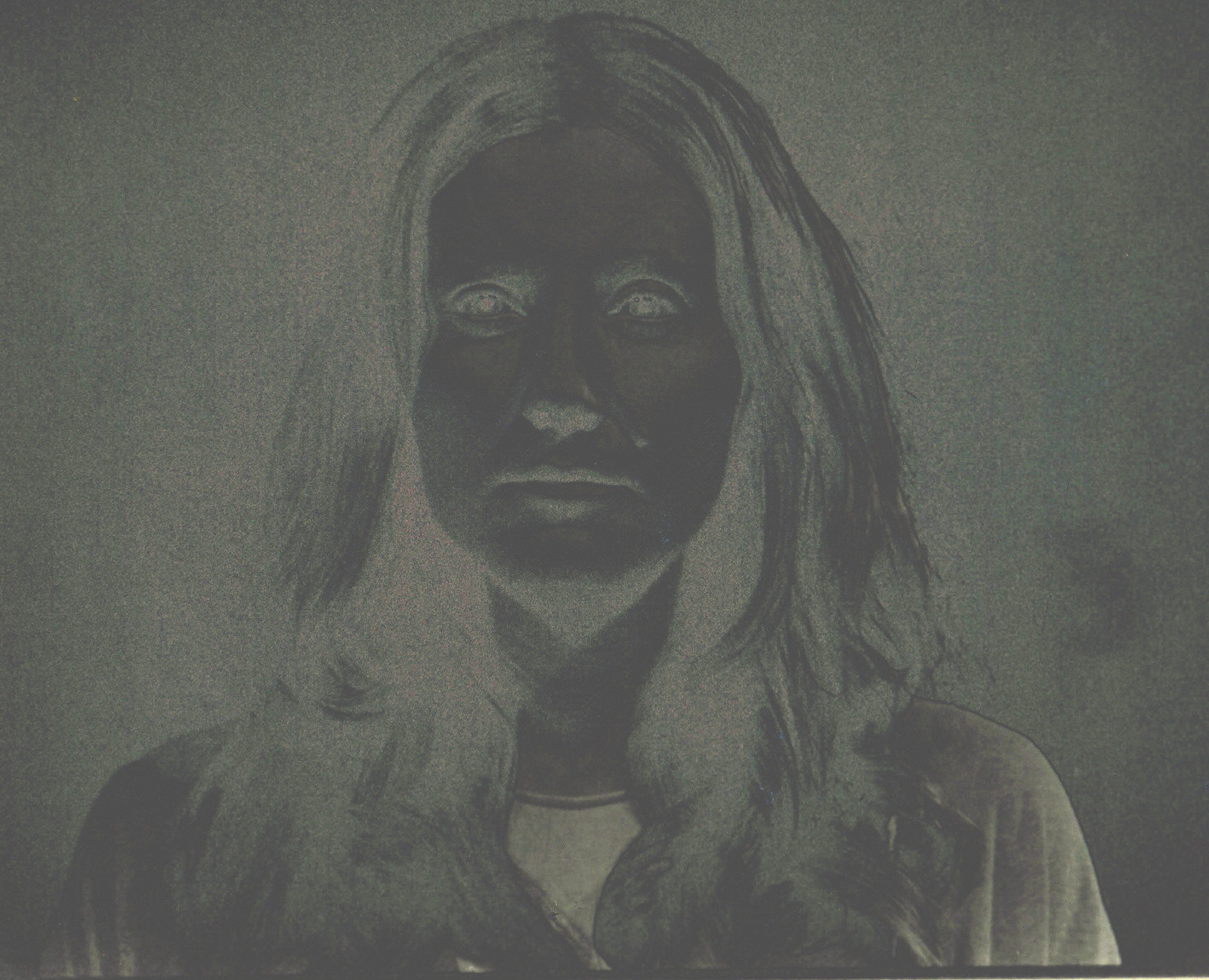
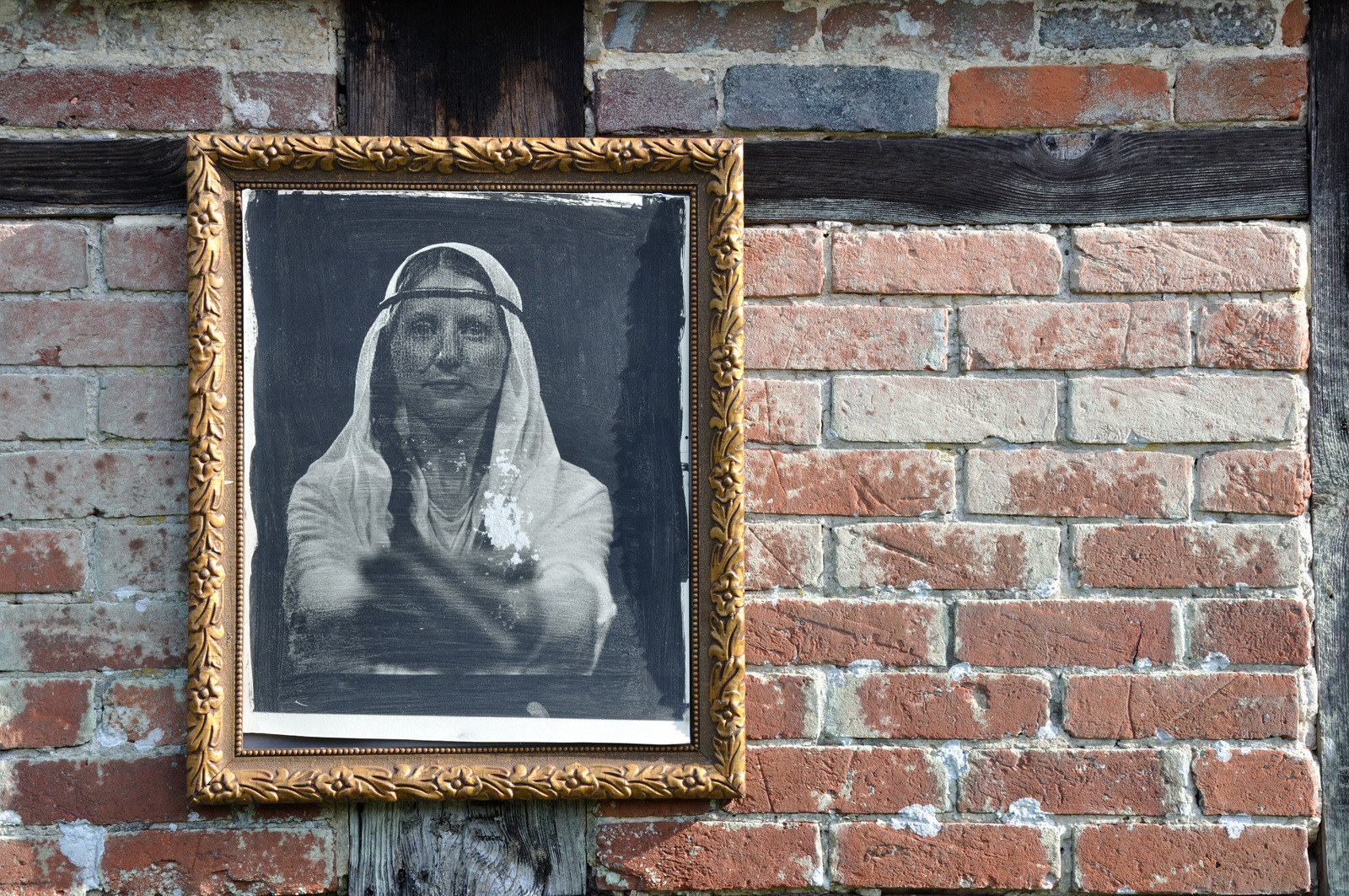
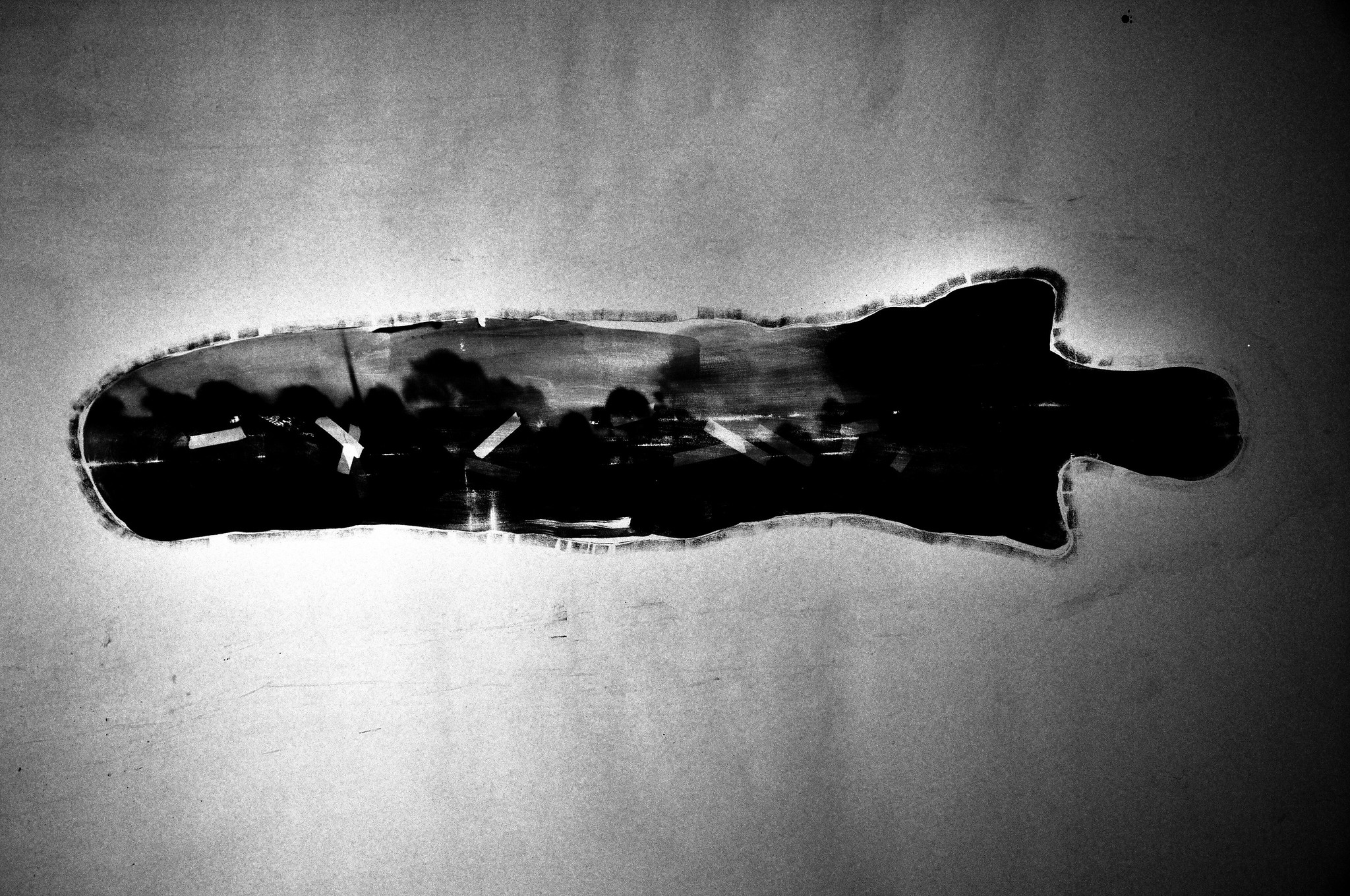
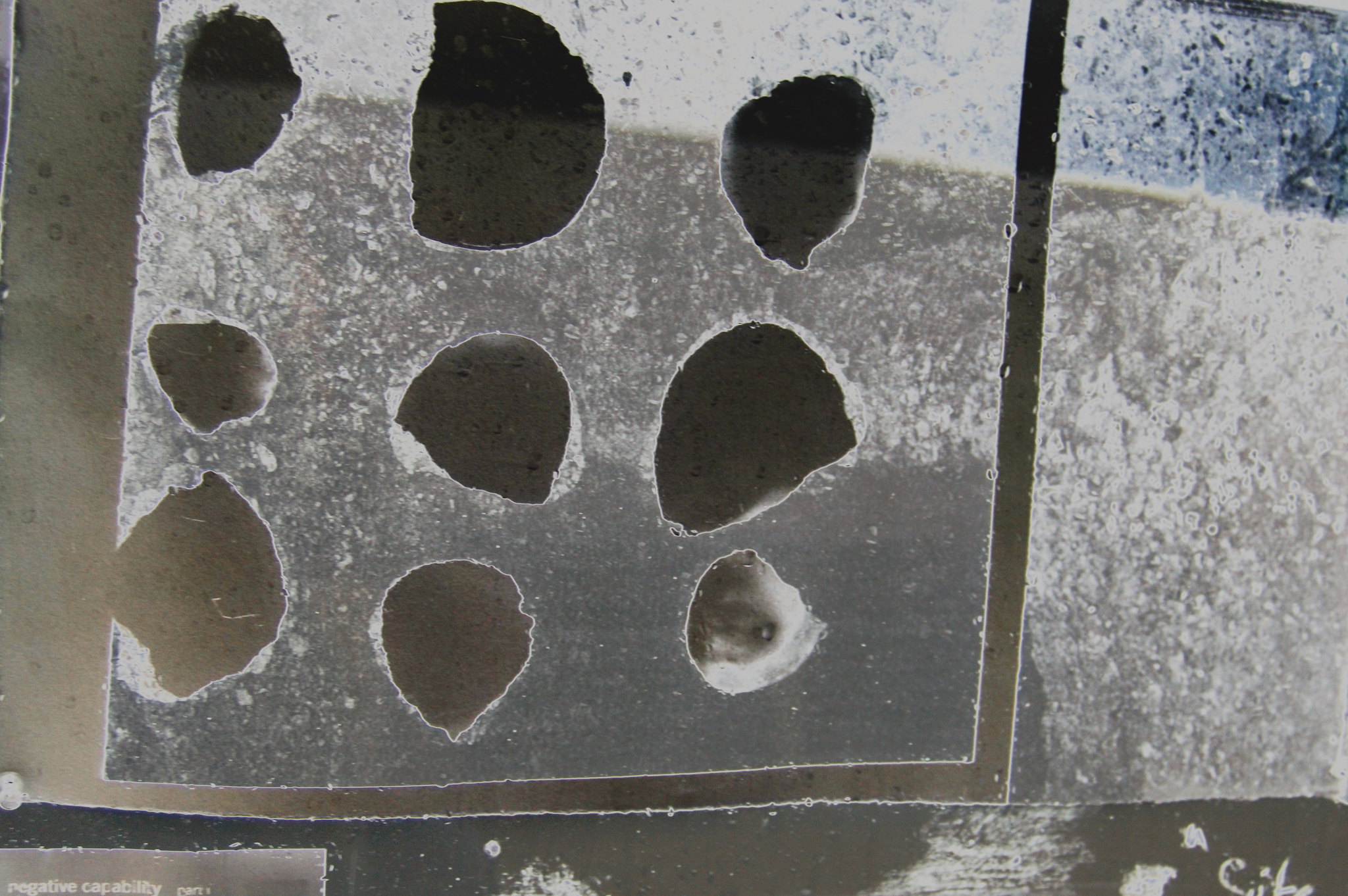
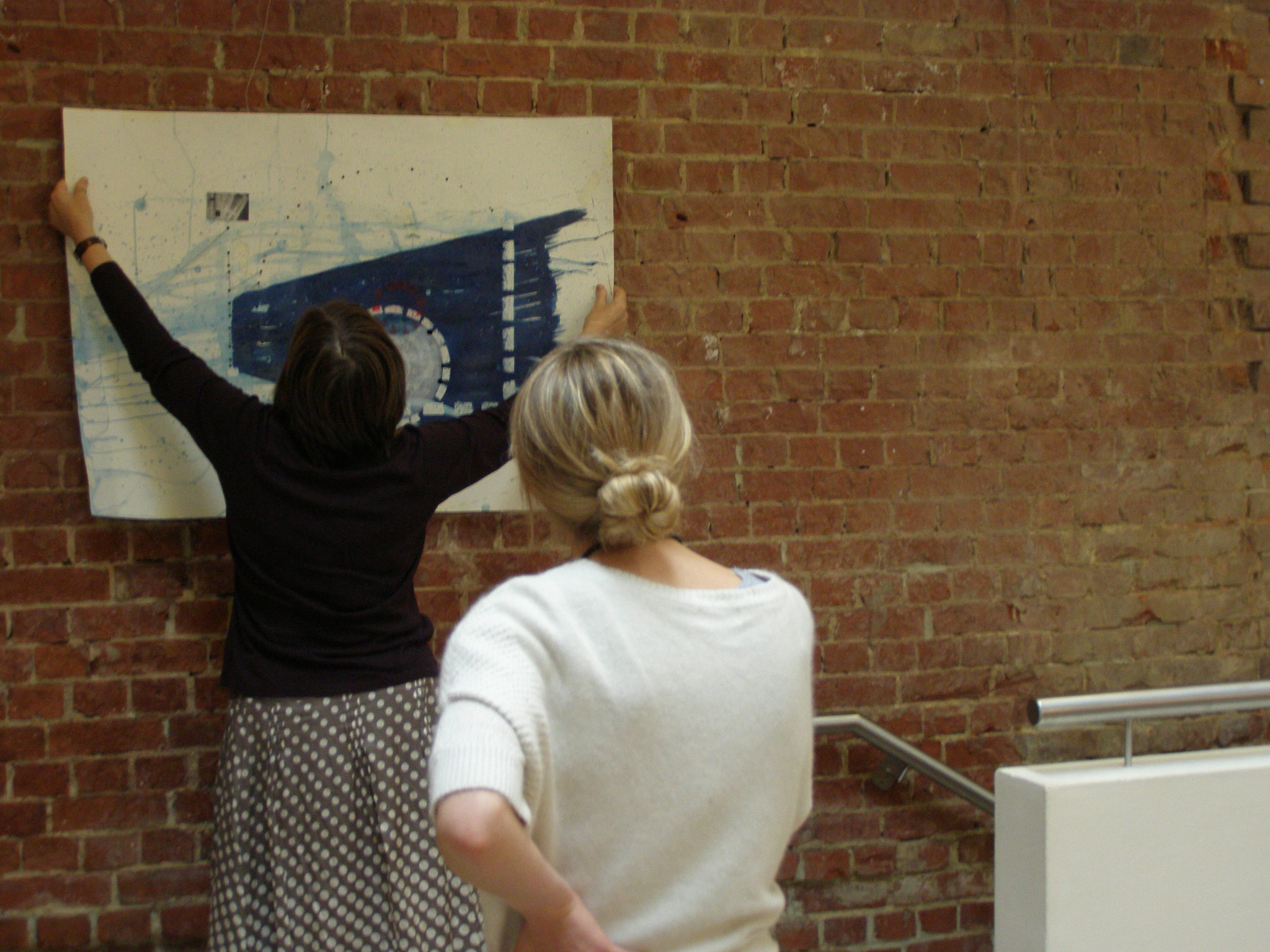
Artists Book, "Leylines" an art based inquiry., a photo by Russell Moreton on Flickr.
Material absorbed in its own thoughts :
Monday, 16 March 2026
Artists Book, "Leylines" an art based inquiry.
Artists Book, "Leylines" an art based inquiry., a photo by Russell Moreton on Flickr.
Saturday, 7 February 2026
A Sensation of Looking/Manifesting Seeing
Outpost 310323
A Sensation of Looking/Manifesting Seeing
Matters of Concern/Fact.
Drawing/Contingency/Sensing/Seeing
Drawing away from descriptive depictions that illustrate preconceptions/aesthetics.
Julian Stair.
Quietus. 2012.
The Vessel.
Death and The Human Body.
There is an alchemy to making ceramics. We take an inert material, fashion it, dry it and expose it to heat and flame. The practice of cremation, of exposing the body to fire, going through an alchemical change, echoes and parallels the process of firing.
Julian Stair.
The materials he works, lead and clay are dense, both physically and emotionally. But Stair's use of these materials is not representational. These objects do not depict or illustrate, instead they enact and embody.
Stair's achievement in this cyclical exhibition is to have expressed both the universality and the specificity of death, each as an aspect of the other.
The great hand-thrown jars that stand at the heart of the exhibition exemplify this doubleness. Though completely abstract, they exist at the scale of the body. They invite a tactile response, visitors might stroke the ridges circumscribing the jars or tap them, or even give them a gentle hug.
Glenn Adamson.
Life drawing on the psychology of nakedness and the human body in contemporary art.
Life-Class/Anatomy/Pathology.
The practical and theoretical problems of the confrontation with the human form.
Georg Eisler.
Herbert Boeckl.
His nudes speak a physical language, interpreting life and death in terms of human bodies, of functioning muscle and bone and the tactile aspects of flesh, and the knowledge of what lies beneath/behind it.
Alfred Hrdlicka.
A Group. 1973.
Proximity does not read as intimacy, the entangled naked bodies convey a sense of insecurity.
The Posed/Nakedness/Social Scrutiny.
The Life-Class.
Isabel Bradshaw/Michael Grimshaw
Drawings/Sculpted lines that bring sensations onto the surface of the paper.
Lines of Movement/Vectors
Lines of Static Forms/Boundaries
Mark-making, rendering the spatialities of the human form.
Form-Movement
Mass-Volume
Skin-Surface
Line is only the visual interpretation of an extremity of a volume. Mark-making on a drawing becomes a conduit for a sensation of seeing others.
The concept of anthropomorphism is central to the identity of pottery. We use bodily terms such as a neck, shoulder, hip and foot to describe the constituent parts of a pot. And the very nature of the vessel as a container, a holder of things, is analogous to the idea of the body as physical container for the soul or spirit.
Julian Stair.
Wednesday, 13 March 2024
Friday, 21 July 2023
Sunday, 18 June 2023
Spatial Diffractions : Architectures of Exclusion
Outpost 280922
Peripheral Vision : Relationality.
Categories and things may make it easier for us to grasp reality, but they also hide its underlying complexities.
Robert Cooper, 2005.
Developing a constitutive nature within practices.
Qualitative Reseachers.
Entangled practices are productive, and who and what are excluded through these entangled practices matter, different intra-actions produce different phenomena.
It is in and through an understanding of these entangled practices presented by Barad that we can begin to understand how diffractive readings can help us in our work as qualitative reseachers to produce knowledge differently.
Interactions Matter.
Spatial Agency.
Walking
Wayfinding in the City.
Thinking intra-actively.
Thinking with Barad's intra-action helps us fashion an approach that re-inserts the material into the process of analysis. It is a reclaiming of the material absent in its modernist limitations. It is the work of Karen Barad and other named as 'new materialists, or material feminists' to ask how our intra-action with other bodies (both human and nonhuman) produce subjectivities and performative enactments.
Such questioning shifts our thinking away from how performative speech acts or repetitive bodily actions produce subjectivity, but also how subjectivity can be understood as a set of linkages and connections with other things and other bodies, both human and nonhuman.
The Discursive Text/Material.
Phenomenology is interested in the now, what we see, how we perceive, and how those perceptions shape or come the world that is constitutive both of our environment and us.
The Keatsian concept of negative capability, that of being with uncertainty, of seeking to transcend and revise contexts, to reject constraints and open up dialogue as a throughfare for all thoughts, to ask questions and develop empathy.
John Keats 1795-1821.
Local artists and writers respond to the University of Winchester's
Magdalen Hill Archaeological Research Project.
On-site, co-directors Dr Simon Roffey and Dr Phil Marter talk about process.
A negative, destructive archaeology of taking away, of context sheets for a cut (negative) or a deposit (positive): how the processes are physical and sensory as well as interpretative, how their work is forensic, piecing together, visceral, more instinct than intellect, tactile and haptic, sculptural, revealing, never final, and as much an art as a science.
The Parallel Visions of Artists and Archaeologists.
The artist's role here is to bring their own kind of knowledge setting aside logic and reason, to use the imagination and senses, to express through body and mind, the self, the messiness and uncertainty evoked by these material traces, mystery and wonder.
Colin Renfrew, Figuring It Out, 2003.
Spatial Diffractions in Interior Design.
A final diffraction is to think about how the office space itself creates a diffraction.
The office door, the opening, the threshold, can be viewed as the place through which waves pass, creating a diffraction.
This diffraction passes both ways: in inviting those who enter and those who fail to enter.
This opening further serves to reconstitute the office door as a threshold to be crossed, or as a threshold that welcomes. One invites, the other excludes.
We presented examples of how Sera and Cassandra were produced differently through intra-actions with office space, other bodies, clothing, and furniture, and similarly how their entanglement with these material fixtures resulted in a mutual constitution of the material and discursive.
It is through an enactment of a diffractive analysis and a re-thinking of our relationship to/with data, and to/with the material in our research sites, that we see much productive potential for research methodologists.
Project Spaces/Presentations.
Diagrams, maps and charts are all a symbolic depiction that emphasises mapping relationships.
Keywords: Agency, Spatial Agency, Practice, Making, Architectural Body,Relational Movements,Outreach, Urban Walking, Interactions, Cultivation Field, Foraging, Finding, Gathering, Harvesting, Organism, Person, Environment, Anthropology, Archaeology, Art,
Tuesday, 19 April 2022
Sunday, 6 March 2022
Saturday, 5 March 2022
The Leper Hospital/Morn Hill, Winchester : Anthropomorphic Geography/Landscape on Photographic Ground
A few feet below the ground a thick line of rock would mark us off from all that had gone before. Condensed into that six-inch sooty layer would be our cities, vehicles, roads, bridges, weapons. Also, all sorts of chemical compounds not found in the previous geological record.
Ian McEwan : The Children Act, 2014.
Against SPACE : Place-Movement-Knowledge
"I wish to argue, in this chapter against the notion of space. Of all the terms we use to describe the world we inhabit, it is the most abstract, the most empty, the most detached from the realities of life and experience."
Tim Ingold
Environments
Land
Earth
Pastures
Country
Ground
Landscape
Indoors
Open
Sky
Air
Thursday, 2 December 2021
Spatial Gathering/Murmuration : The Fleeting Cathedral/Vast Forgetting
Cyanotype from a site drawing, Space for Peace, Winchester Cathedral 2011.
Human mapping of social groups wthin the duration of the event.
Mono Print : Cyanotype process on paper, 52x42cm.
Monday, 17 May 2021
Mechanisms of Seeing : 10 Days at the Laundry/Axisweb post migrations
MOLECULAR SIEVE, is a performative analysis of “this place” utilising the simple properties of the pinhole camera. This appropriated apparatus makes visible the extrusive nature of time as it is deposited on the photographic surface.
The extended durations required to register “place” impart a sense of dwelling as recorded by the apparatuses passive gaze. These surfaces record and register a relation constructed by the architecture of the chamber and what is beyond it. Movements when visible appear as simple abbreviated enactments caught like inclusions within this consolidated and timely consolation of place.
Cameras consist of small voids, the ‘camera’, a lens and photographic film. They are camerae obscurae that collect light and allow it to meet the surface of the film. But in fact the light comes from the larger void outside the camera. The moment the light has registered on the light-sensitive surface of the film, memories are constructed. The memory is literally conceived in this meeting and is added to life as an additional layer of being. The process through which void meets surface is therefore also about love—the love of ancestors and relatives, but also of life and its conception.
Daniel Libeskind’s building will, when finished, offer a path for the visitor, the path of history that crosses the void of commemoration.


.jpg)